A Tree Problem Is Easier Early
A tree that cracks, leans, or drops a heavy limb is a problem that grows. Wind pushes on it. Rain soaks the roots. Frost splits the wood. The earlier someone looks at it, the more choices you keep.
Claimongoing Tree Service is a referral service. We do not cut trees. We connect homeowners in Millbrook, IL with independent local providers who handle residential tree removal, stump grinding, and urgent storm work.
Why does that help? Because searching takes time. You might open ten tabs, read vague pages, and leave three messages that never get answered. Our approach is simpler. Request a callback to check provider availability, describe what the tree is doing, and get pointed toward a local provider who can talk it through.
Many providers can respond quickly when a tree is a danger, though schedules differ by provider and by the weather that week. Others book planned jobs a few days out, which works well for a healthy-looking tree you simply want gone.
Either way, you stay in charge. You hear the plan, ask your questions, and get a written quote before anything starts. There is no obligation to say yes.
Request an Estimate
Prefer to write instead of talk? You can request an estimate and tell us about the tree in your own words.
How It Works
Tell us what you see
Start with a few simple facts. Where is the tree? How big is it? Is it touching a roof, a fence, a wire, or a driveway? You can share this by phone or through the request form. Then Claimongoing Tree Service passes your request toward an independent provider in the network. The provider sets the price, the schedule, and the method. We simply shorten the path to them.
Why timing changes the outcome
Trees often give signals before they fail. In the first hours after a crack or a lean, the tree may still be stable enough for a careful plan. Over the next day or two, wet soil, wind, and extra weight can make it worse. After several days, a hanging limb can drop, a split trunk can open wider, and a small cleanup can become a larger job.
What a provider may look at
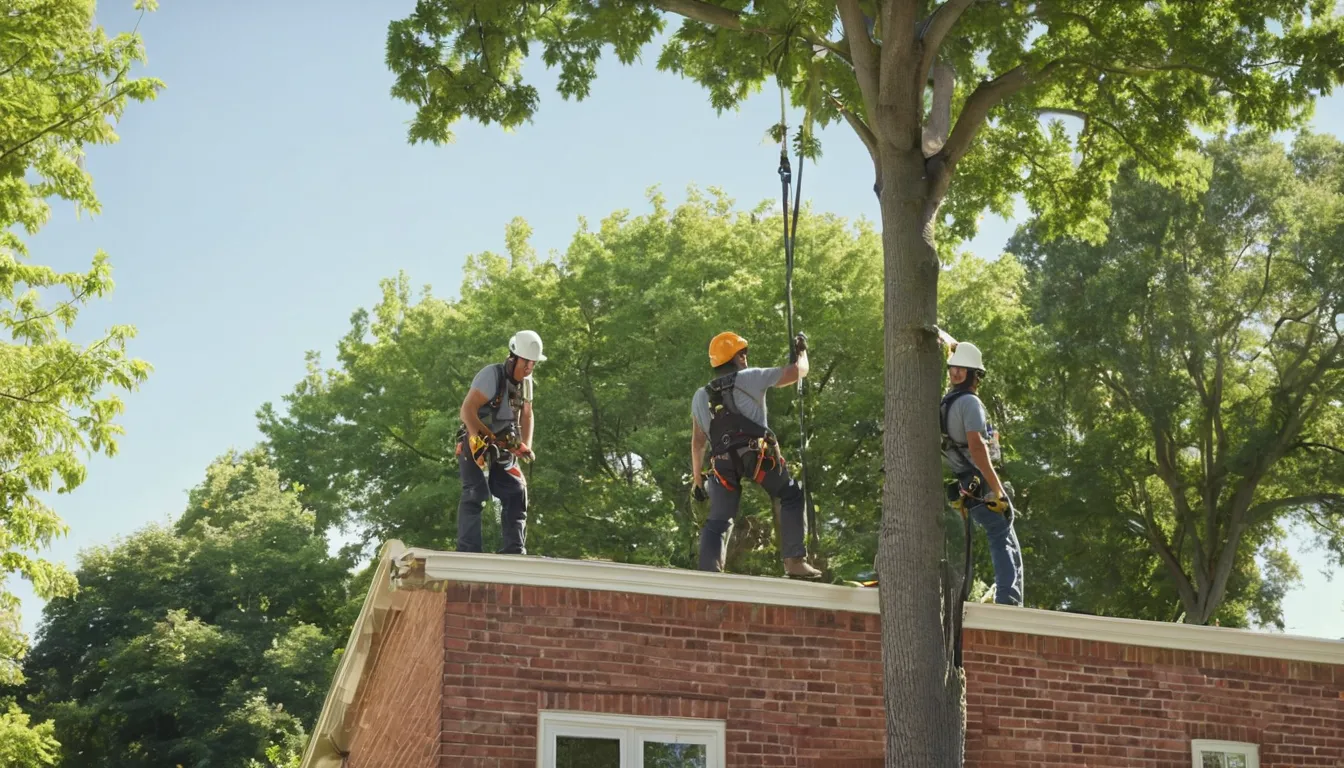
A local provider will usually check the tree, the ground, and what stands nearby. They may talk about access for equipment, how the wood will come down, and what to do with the stump. Ask about removal of branches and logs, since some jobs include hauling and others do not.
What we do not do
Claimongoing Tree Service does not do the work, set prices, or promise a start time. Providers in our network are independent businesses. Please ask each one about its own insurance, licensing, and scope before you agree to anything. A written quote protects you and keeps the job clear.
Where Neighbors Reach Us
Claimongoing Tree Service focuses on Millbrook, IL and the Millbrook area. That means older neighborhoods with tall shade trees, newer streets with young plantings, and quiet lots where a single big tree shades the whole yard.
The seasons here shape the work. Cold winters with deep frost can crack branches and stress roots. Hot, humid summers push fast growth and sudden storms. Severe thunderstorms and hail can strip limbs in minutes, and spring flooding can leave soil soft, so a tree that looked solid in fall may lean by April.
Many homes in the region are frame houses from many decades ago, along with bungalows and ranch homes. These are often close to older trees, which means roofs, siding, and fences can sit within reach of a falling limb. Full basements with sump pumps are also common, so heavy roots and wet ground are worth a look.
Whether the tree is in a front yard, along a side fence, or at the back of a deep lot, a local provider can tell you what the job needs. Request a callback to check provider availability for your street.
Request an Estimate
If you are not sure which service you need, send the details with a request and a provider can help sort it out.
Request an Estimate
Good Tree Habits for Our Seasons
Spring: watch the soft ground
Spring flooding and heavy rain loosen the soil. Look for tilting trunks, lifted roots, or fresh cracks in the lawn around a big tree. If something looks different from last month, it is worth a closer look.
Summer: storms arrive fast
Hot, humid days can turn into thunderstorms quickly. Dead branches and weak forks are the first to go. Trim or remove these before the stormy months if you can.
Fall: a good time to plan
Before frost sets in, walk your yard. Note any dead tops, hollow trunks, or limbs over the roof. Planned jobs are usually easier to schedule than urgent ones.
Winter: ice and frost
Deep frost and heavy snow add weight and stress. Stay clear of any tree that is bending or hanging low, and keep cars and children away from it.
After a storm
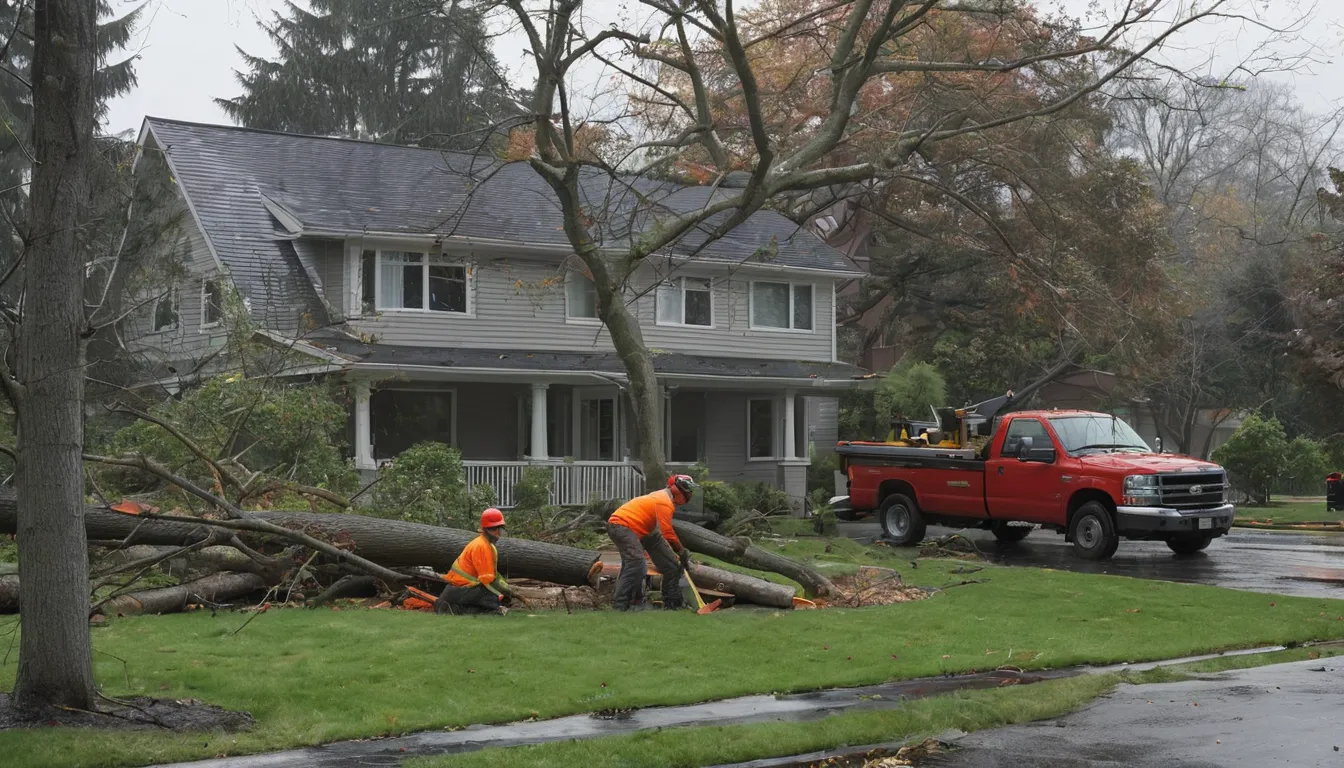
Storm tree clearance can mean a fallen trunk across a drive or a limb resting on a roof. Keep back from the tree and from any wires. Take photos from a safe spot, since providers can often help document damage for a claim. Some policies may cover sudden damage, so check your policy.
Stumps and what comes after
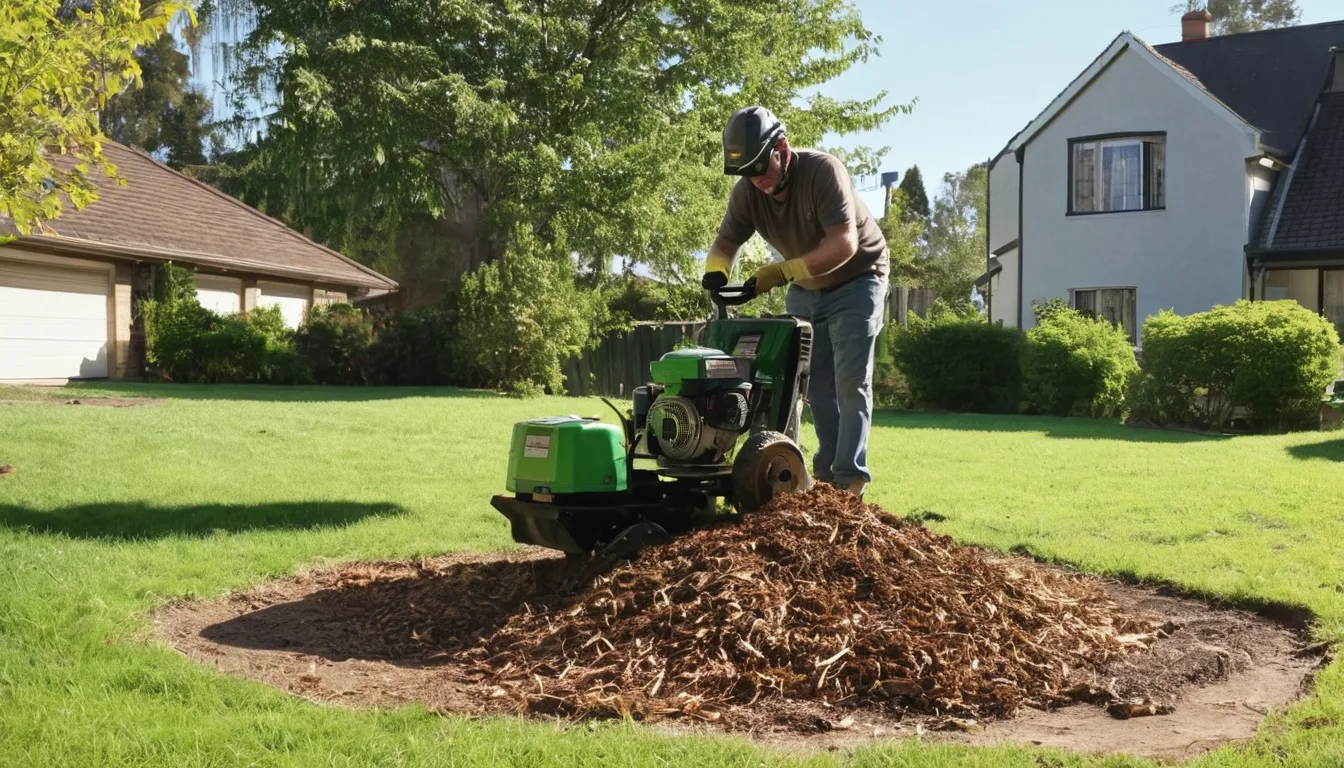
Once a tree is down, the stump remains. Stump grinding removes it below the surface so you can plant grass, lay a path, or build a garden bed. Some homeowners do it all in one visit, and others wait.
Costs in plain terms
In the U.S., tree removal often runs from a few hundred dollars to a few thousand, depending on size, access, and risk. Stump grinding is usually a smaller line item. Prices vary by job, so get a written quote.
Reach Out Today
Have a tree that worries you? Start with a short message or a phone call. Share where the tree is and what it is doing, and Claimongoing Tree Service will point your request toward an independent local provider.
Request an Estimate
You can also request an estimate and wait for a provider to follow up. Either way, you decide what happens next.
Request an Estimate